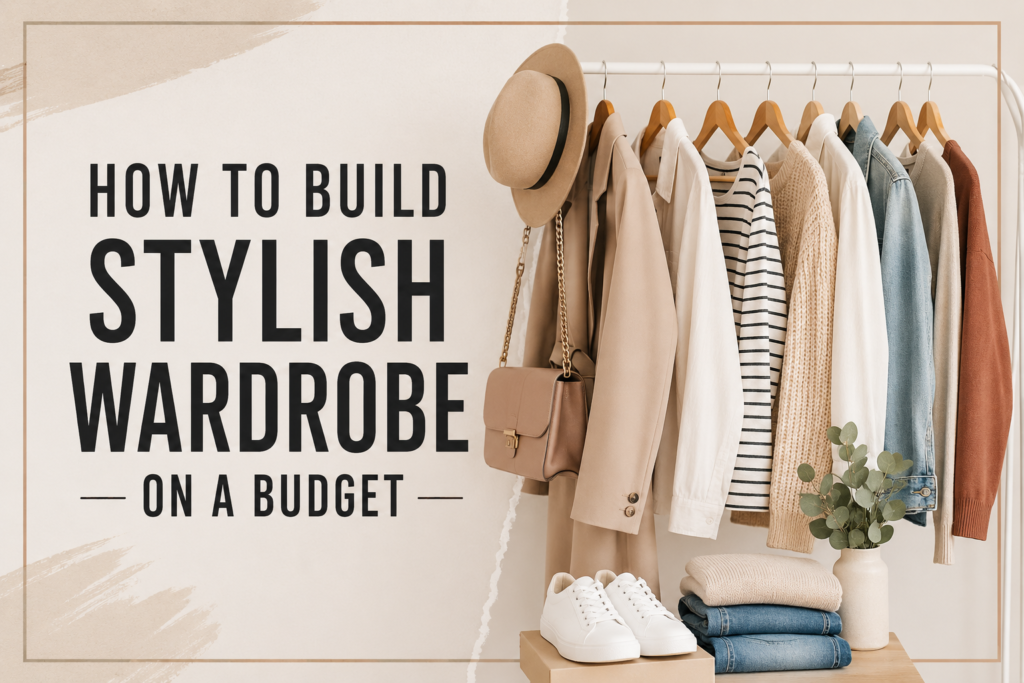
Looking stylish doesn’t mean you need to spend a fortune on clothes. With the right pieces, smart shopping habits, and a little creativity, you can build a stylish wardrobe on a budget without constantly buying new outfits.
A stylish wardrobe is not about having hundreds of clothes. It is about owning versatile pieces that fit well, match your personal style, and can be worn in different ways. Whether you are a college student, a working professional, or simply trying to save money, creating a fashionable wardrobe on a budget is completely possible.
In this guide, we’ll cover practical tips to help you create a stylish, affordable wardrobe that works for everyday life.
1. Start With a Wardrobe Audit
Before buying anything new, take a look at what you already own.
Remove everything from your wardrobe and divide your clothes into four categories:
- Keep
- Repair
- Donate
- Sell
Pay attention to the clothes you actually wear. You may discover that you already have several great pieces that you simply haven’t styled properly.
A wardrobe audit also prevents unnecessary shopping. Instead of buying another black top when you already have three, you can identify the pieces you genuinely need.
2. Define Your Personal Style
One of the easiest ways to save money on fashion is to understand your personal style.
Think about the outfits you naturally feel comfortable wearing. Do you prefer:
- Minimal and elegant outfits?
- Casual and comfortable looks?
- Feminine and romantic styles?
- Trendy streetwear?
- Classic and sophisticated clothing?
Once you understand your style, shopping becomes much easier.
You won’t be tempted to buy every trend you see online because you’ll know whether a particular piece actually fits your wardrobe.
3. Invest in Wardrobe Essentials
When you’re trying to build a stylish wardrobe on a budget, focus on versatile basics first.
Some useful wardrobe essentials include:
- A well-fitting pair of jeans
- Black trousers
- White or neutral tops
- A basic black dress
- A comfortable everyday T-shirt
- A denim jacket
- A neutral blazer
- A versatile skirt
- Comfortable sneakers
- Simple flats or sandals
- A neutral handbag
These pieces can be mixed and matched to create multiple outfits.
For example, a simple white top can be worn with jeans for a casual look, trousers for work, or a skirt for a more feminine outfit.
4. Choose Neutral Colors
Neutral colors make it much easier to create multiple outfits from fewer clothes.
Consider building your wardrobe around colors such as:
- Black
- White
- Beige
- Brown
- Grey
- Navy
- Cream
You can then add a few brighter colors or prints as accents.
For example, a beige pair of trousers can be paired with a white shirt, black top, pastel sweater, or printed blouse. This gives you several different outfits without buying several pairs of trousers.
5. Follow the “One Piece, Three Outfits” Rule
Before purchasing something, ask yourself:
“Can I style this piece in at least three different ways?”
If the answer is yes, it is probably a useful addition to your wardrobe.
For example, a black blazer could be worn with:
- Jeans and a T-shirt for a casual look
- Trousers and a blouse for work
- A dress and heels for a night out
This simple rule can help you avoid impulse purchases and get more value from every item.
6. Shop With a List
Walking into a store without knowing what you need can quickly lead to unnecessary spending.
Instead, create a shopping list before you go shopping.
For example:
This month’s wardrobe list:
- One pair of everyday trousers
- One basic top
- One pair of comfortable shoes
Stick to your list as much as possible.
If you see something else you like, give yourself a few days to decide whether you actually need it.
7. Don’t Buy Something Just Because It’s on Sale
Sales can make us feel like we’re saving money even when we’re spending money on things we don’t need.
A ₹1,000 top that you don’t wear is not a good deal.
Before purchasing a sale item, ask yourself:
- Would I buy this at full price?
- Does it fit my personal style?
- Can I create at least three outfits with it?
- Do I already own something similar?
- Will I realistically wear it?
If the answer to most of these questions is no, leave it behind.
8. Explore Thrift Stores and Pre-Loved Fashion
Thrifting can be an excellent way to build a stylish wardrobe on a budget.
You can often find unique jackets, dresses, denim, shirts, handbags, and accessories at lower prices than new items.
When shopping second-hand, check:
- Fabric quality
- Zippers and buttons
- Stitching
- Stains
- Tears
- Overall condition
Don’t buy something simply because it’s cheap. Look for pieces that are genuinely useful and fit your style.
9. Prioritize Quality Over Quantity
Buying five cheap pieces that lose their shape after a few washes may cost more in the long run than buying one good-quality item.
You don’t need designer clothing to have a quality wardrobe. Instead, pay attention to:
- Fabric
- Stitching
- Fit
- Construction
- Comfort
- Durability
A well-made basic T-shirt or pair of trousers can become one of the most-worn pieces in your wardrobe.
10. Learn Basic Outfit Styling
You don’t always need new clothes to create a new outfit.
Sometimes, changing the way you style an existing piece can completely transform your look.
Try:
- Tucking your shirt differently
- Adding a belt
- Layering a shirt over a dress
- Wearing a blazer over casual clothes
- Adding a scarf
- Rolling your sleeves
- Changing your shoes
- Adding statement jewellery
For example, the same pair of jeans can look completely different with sneakers and a T-shirt compared with heels, a blouse, and jewellery.
11. Use Accessories to Transform Outfits
Accessories are one of the easiest ways to make affordable outfits look more polished.
Consider investing in a few versatile accessories such as:
- Hoop earrings
- Minimal necklaces
- Sunglasses
- Belts
- Scarves
- Watches
- Simple handbags
You don’t need dozens of accessories. A few pieces that complement most of your clothes are enough.
12. Take Care of Your Clothes
One of the simplest ways to save money is to make your existing clothes last longer.
Follow the care instructions on clothing labels and avoid washing clothes unnecessarily.
Some useful habits include:
- Wash delicate clothes carefully
- Avoid excessive heat when drying
- Store knitwear properly
- Hang structured clothing on suitable hangers
- Repair small tears quickly
- Remove stains as soon as possible
Taking care of your clothes means you won’t have to replace them as frequently.
13. Build Your Wardrobe Slowly
You don’t have to create your dream wardrobe in one shopping trip.
In fact, building it slowly is often better.
Start with your most important basics and gradually add pieces that complement them.
For example:
Month 1: Jeans + basic tops
Month 2: Trousers + versatile shoes
Month 3: Blazer + dress
Month 4: Accessories + seasonal pieces
This approach spreads your spending over time and allows you to make more thoughtful purchases.
14. Shop According to Your Lifestyle
Your wardrobe should match the life you actually live.
If you spend most of your time at college, you may need more casual and comfortable outfits.
If you work in an office, you may need more trousers, shirts, blazers, and polished footwear.
If you regularly attend parties or events, you can add a few dressier pieces.
Don’t fill your wardrobe with clothes for a lifestyle you rarely experience.
15. Mix Affordable and Investment Pieces
You don’t have to buy everything from expensive brands.
A smart wardrobe can include a combination of affordable basics and a few higher-quality investment pieces.
For example:
Affordable: Basic T-shirts, tank tops, casual tops
Investment: A good blazer, handbag, shoes, or coat
This creates a balance between style and budget.
16. Avoid Fast-Fashion Impulse Buying
Trends come and go quickly. Buying every viral fashion trend can make your wardrobe expensive and cluttered.
Instead, ask yourself whether you’ll still want to wear the item several months from now.
Classic pieces tend to remain useful for much longer.
You can still experiment with trends, but try incorporating them through affordable accessories or smaller pieces rather than completely changing your wardrobe every season.
17. Create a Capsule Wardrobe
A capsule wardrobe contains a limited number of versatile pieces that work well together.
For example, you could create a simple capsule wardrobe with:
- 2 pairs of jeans
- 2 trousers
- 5 tops
- 2 dresses
- 1 blazer
- 1 jacket
- 2 pairs of everyday shoes
- 1 handbag
- A few accessories
The exact number doesn’t matter. The goal is to have pieces that can be combined in multiple ways.
A capsule wardrobe can make getting dressed easier while also helping you spend less.
18. Plan Outfits Before Shopping
If you often buy clothes but still feel like you have “nothing to wear,” try planning outfits.
Take photos of your favorite combinations on your phone.
You can create categories such as:
- College outfits
- Work outfits
- Casual outings
- Date-night outfits
- Party outfits
- Travel outfits
This gives you a personal lookbook and helps you remember how versatile your existing wardrobe actually is.
19. Set a Monthly Fashion Budget
Create a realistic clothing budget based on your income and expenses.
For example, you could decide to spend a fixed amount on fashion each month.
Once you’ve reached your limit, stop shopping until the next month.
This small habit can prevent unnecessary purchases and make your wardrobe-building journey much more intentional.
20. Make Your Wardrobe Feel Expensive Without Spending More
Looking stylish isn’t always about wearing expensive clothing.
Small details can make a major difference.
Try to focus on:
- Well-fitted clothes
- Clean and wrinkle-free outfits
- Coordinated colors
- Simple accessories
- Clean shoes
- Neat hair
- Appropriate proportions
A simple outfit that fits well and is styled thoughtfully can look much more polished than an expensive outfit that doesn’t fit properly.
Before buying new clothes, learn how to create a versatile capsule wardrobe with pieces you can wear in multiple ways.
Budget-Friendly Outfit Ideas
Here are a few easy outfits you can create using basic wardrobe pieces.
Casual Everyday Look
Pair straight-leg jeans with a basic T-shirt, sneakers, a crossbody bag, and simple jewellery.
Smart-Casual Look
Wear black trousers with a fitted top, blazer, flats, and a structured handbag.
Weekend Look
Try relaxed jeans with a tucked-in shirt, sneakers, sunglasses, and a small shoulder bag.
Dinner Outfit
Style a simple black dress with minimal jewellery, a small handbag, and heels or elegant flats.
College Outfit
Pair wide-leg jeans with a fitted top, sneakers, a tote bag, and simple accessories.
Staying updated with current fashion trends and styling inspiration can help you choose versatile pieces that keep your wardrobe stylish without overspending.
Common Budget Wardrobe Mistakes to Avoid
Building an affordable wardrobe becomes much easier when you avoid common shopping mistakes.
Buying Too Many Trends
Trendy pieces can quickly become outdated.
Ignoring Fit
Even expensive clothing can look unpolished if it doesn’t fit properly.
Buying Duplicates
Check your wardrobe before purchasing something similar.
Shopping When You’re Bored
Emotional or boredom shopping often leads to unnecessary purchases.
Choosing Price Over Value
The cheapest item isn’t always the best choice. Consider how often you’ll wear it and how long it will last.
Frequently Asked Questions
How can I build a stylish wardrobe with very little money?
Start with versatile basics such as jeans, neutral tops, trousers, and comfortable shoes. Shop during sales, consider thrift stores, and focus on pieces that can create multiple outfits.
How many clothes should I have in my wardrobe?
There is no perfect number. The right amount depends on your lifestyle, climate, work requirements, and personal preferences. Focus on having useful pieces rather than reaching a specific number.
What are the most important wardrobe basics?
Some useful basics include well-fitting jeans, neutral tops, trousers, a versatile dress, a blazer or jacket, comfortable shoes, and a few simple accessories.
How can I look expensive on a budget?
Focus on fit, clean and well-maintained clothing, neutral colors, simple accessories, coordinated outfits, and polished footwear. Styling often matters more than the price tag.
Should I buy expensive clothes?
You don’t need expensive clothing to be stylish. However, investing in a few high-quality pieces that you wear frequently can be worthwhile.
Final Thoughts
Learning how to build a stylish wardrobe on a budget is less about shopping more and more about shopping smarter.
Start by understanding your personal style, cleaning out your wardrobe, investing in versatile basics, and avoiding unnecessary purchases. Mix and match your clothes, experiment with accessories, take care of what you own, and build your wardrobe gradually.
Remember, you don’t need a huge wardrobe or expensive designer labels to look fashionable. A thoughtfully selected collection of clothes that fit well and work together can give you endless outfit possibilities while keeping your spending under control.
Style isn’t about how much you spend—it’s about how confidently and creatively you wear what you have.